Genetics
News Reporter
Expert Verified
Researchers identify a key epigenetic regulator in Candida auris, offering a new path to treat drug-resistant infections.
Researchers from China have identified a critical genetic weakness in Candida auris, a drug-resistant "super fungus" that poses a major threat to global health. This discovery could revitalize the effectiveness of existing antifungal drugs against a pathogen with a mortality rate exceeding 40%.
The study reveals that an enzyme called Gcn5 acts as a master regulator for multidrug resistance. By targeting this specific protein, researchers successfully stripped the fungus of its defenses.
According to researchers, Gcn5 controls epigenetic modifications—instructions that tell fungal cells how to read their DNA. It regulates histone H3, a protein around which DNA wraps.
When Gcn5 is active, it triggers the production of ergosterol—a key component of the fungal cell membrane—and activates drug efflux pumps that expel medication. However, when scientists inhibited Gcn5 using a compound called CPTH2, these defense mechanisms shut down. The fungus became highly susceptible to caspofungin, a standard antifungal treatment.
C. auris is an emerging pathogen often found in hospitals. It is notorious for adhering to surfaces and resisting common disinfectants. The World Health Organization lists it as a critical priority pathogen because over 90% of clinical isolates are resistant to fluconazole.
The rise of this fungus has been accelerated by the COVID-19 pandemic, with outbreaks reported in ICUs worldwide. Current treatment options are severely limited, with some strains resistant to all three major classes of antifungals.
This research highlights the potential of epigenetic therapy. Instead of attacking the fungus's physical structure, this approach disrupts its genetic regulation. Experts say this is crucial because the fungus cannot easily adapt to these changes.
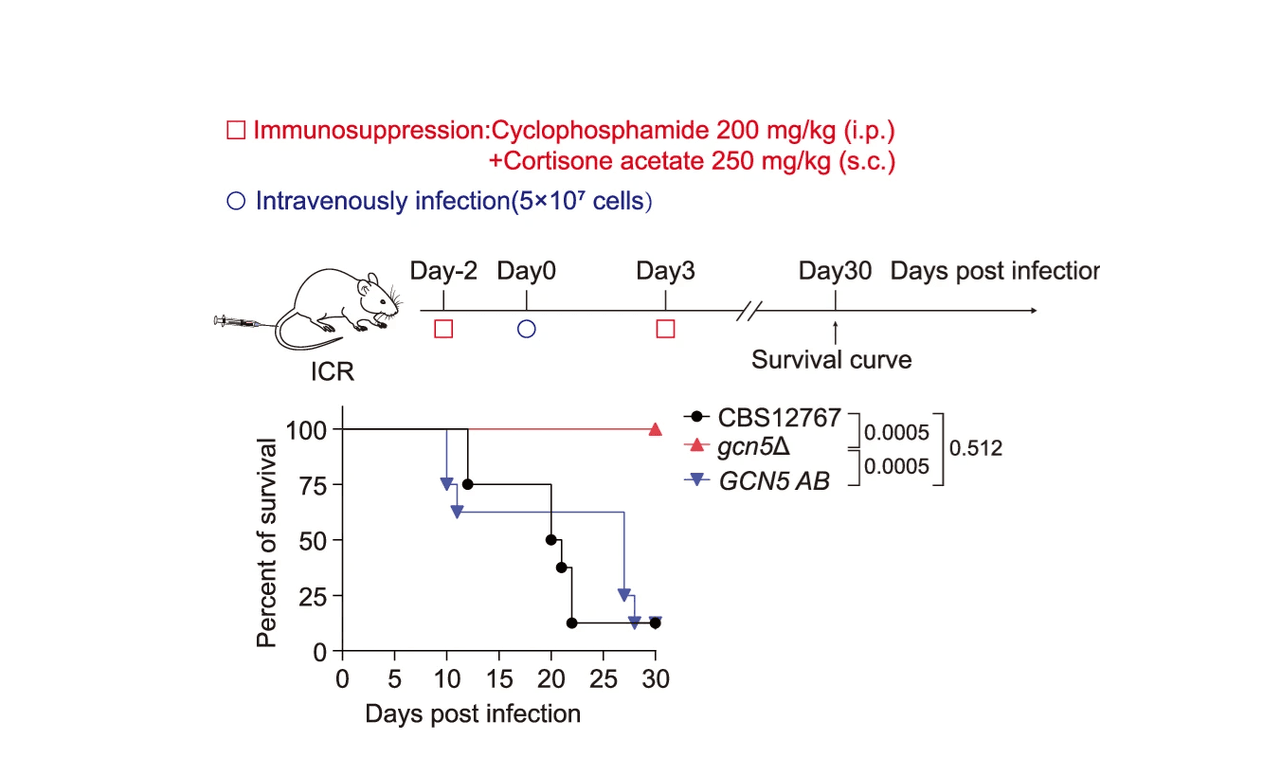
The study showed that combining the Gcn5 inhibitor with caspofungin worked synergistically in both lab dishes and living models. Crucially, this approach showed no notable toxicity to the host, a major hurdle in antifungal development.
While clinical trials are still needed, the identification of Gcn5 as a therapeutic target provides a clear roadmap for new drug development. It offers a promising strategy to combat invasive fungal infections that have long been considered untreatable.
This is a developing research.
Researchers have identified an enzyme called Gcn5 as a critical genetic weakness in Candida auris. This enzyme acts as a master regulator of multidrug resistance by controlling epigenetic modifications that influence drug defense mechanisms in the fungus.
Gcn5 regulates histone H3 and controls the production of ergosterol and the activation of drug efflux pumps, both of which help the fungus resist antifungal drugs. When Gcn5 is inhibited by compounds like CPTH2, these defenses are disabled, making the fungus highly susceptible to existing antifungals such as caspofungin.
This discovery opens the door to epigenetic therapy, which disrupts the genetic regulation of the fungus rather than its physical structure, making it harder for the pathogen to develop resistance. The combination of a Gcn5 inhibitor with existing antifungals works synergistically and has shown no significant toxicity to host cells, offering a promising new strategy against multidrug-resistant Candida auris infections.
This article has been reviewed by a PhD-qualified expert to ensure scientific accuracy. While AI assists in making complex research accessible, all content is verified for factual correctness before publication.
CRISPR-Cas9 Allele-Specific Trisomy 21 Chromosome Elimination in Human iPS Cells
A 2025 study used allele-specific CRISPR-Cas9 to eliminate the extra chromosome 21 from Down syndrome iPS cells, achieving a 30.6% karyotype correction rate in clones, outperforming non-specific methods and restoring gene expression linked to nervous system development.
CRISPR Gene-Edited Islet Cells Survive 12 Weeks Without Immunosuppression in Type 1 Diabetes Patient
Gene-edited islet cells survived 12 weeks in a type 1 diabetes patient with zero immunosuppression drugs, using CRISPR-Cas12b to achieve 100% HLA-II depletion.
Why Your Body Fights to Regain Lost Weight
Turns out, fat cells remember obesity in their DNA. Here's what that means for weight loss.
No comments yet. Be the first to share your thoughts!
Get notified when we publish new articles. No spam, unsubscribe anytime.